
About
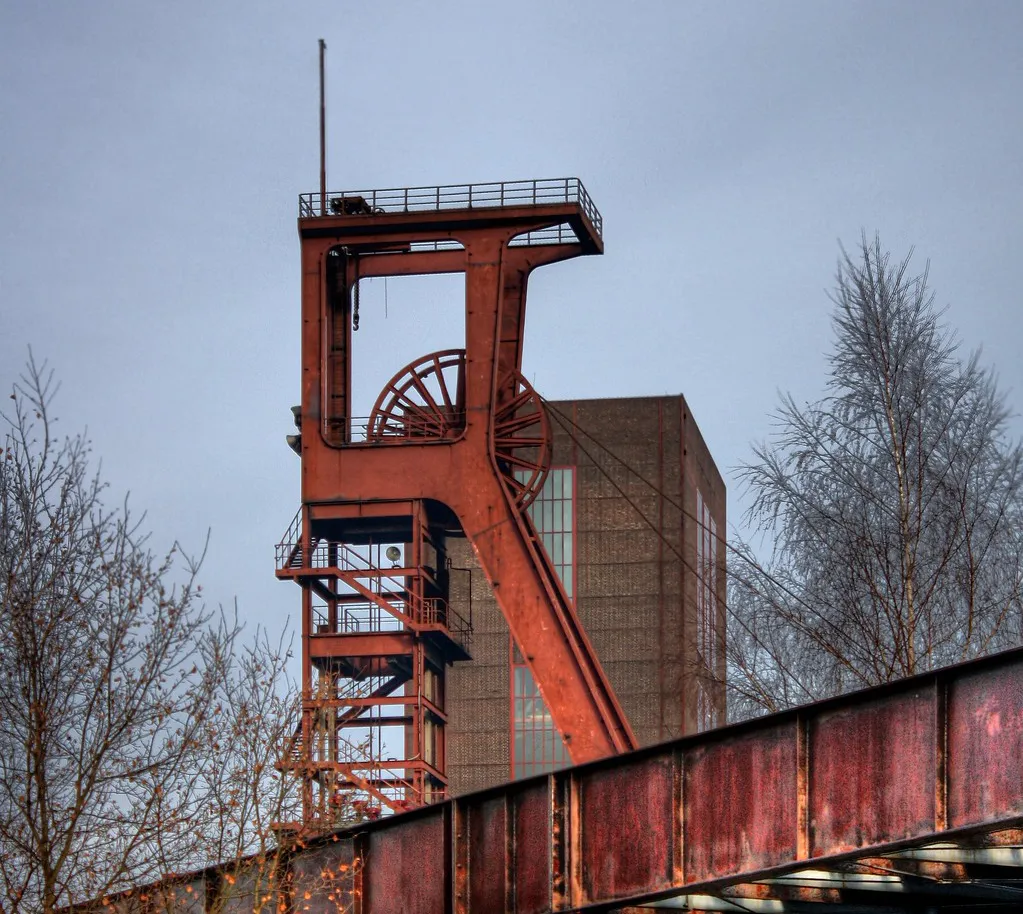
I was born in Gelsenkirchen, a coal and steel town in Germany's Ruhr Valley. My father was a miner. The winding towers of the local coal mines and the industrial buildings of the steel mills were the landscape I grew up in. They shaped how I see things — materials, structure, what's essential and what isn't.
I trained as an electrical engineer and worked at Nixdorf Computer in Paderborn, where I programmed microprocessors and built firmware for electromechanical systems. In 1981, I came to California through a joint venture between Nixdorf and Memorex. I stayed. Over the next three decades I moved from engineering into management and marketing, working for technology companies across Silicon Valley. Along the way I specialized in international standards work and the management of special interest groups — helping shape the technology ecosystems those companies operated in.
Around 2000, I left the corporate world to work as a marketing consultant. When I began focusing seriously on art, I needed a website to show the work. Rather than hire someone, I taught myself to build it. That decision turned into a second career as a freelance web developer, building sites for companies and nonprofits for the next twenty years.
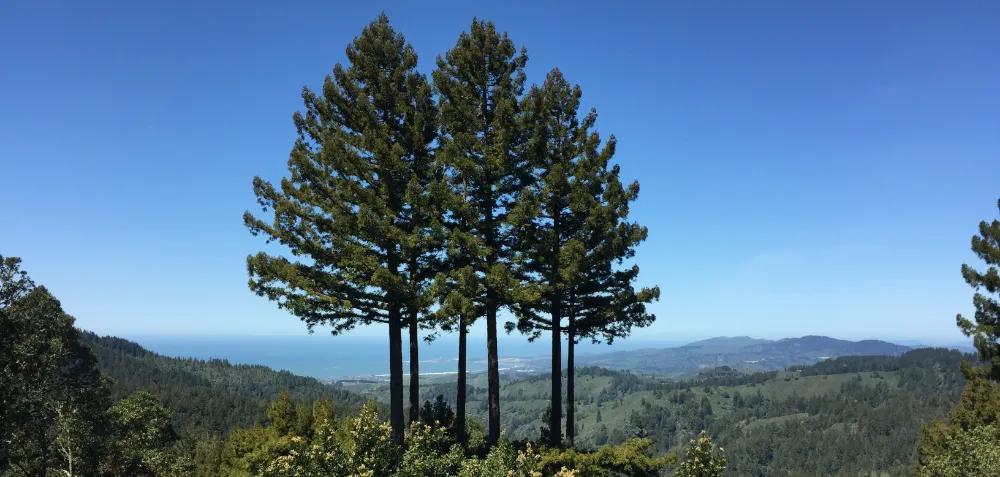
My art practice began after I moved to Kings Mountain, in the Santa Cruz range between Half Moon Bay and Woodside. I started making assemblages — wall-mounted pieces built from found and discarded materials. Metal banding from construction sites, rusted fence wire, salvaged wood, electrical insulators, river stones. The industrial textures of my Ruhr Valley childhood and Bauhaus minimalism both found their way into the work. I showed throughout the Bay Area for about a decade, then stopped.
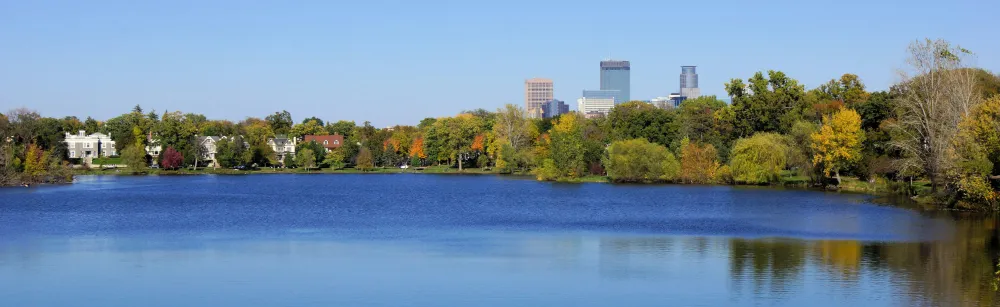
Ten years later, in Minneapolis, I started again. I now work from a studio at the Center for People and Craft, an urban folk school in the Loring Park neighborhood inspired by the Danish folk school tradition. The California materials are gone — those earlier pieces are artifacts of a closed practice. The new work uses cardboard, paper mâché clay, and shredded paper. The forms are different. The impulse is the same.
I don't title my pieces. Once it's on the wall, my work is done. What the viewer brings to it is theirs.
Today I split my time between the studio, writing, and code. I maintain a collection of open-source plugins for Metalsmith, a static site generator. I write about technology and labor — particularly about what happens to workers and communities when industries automate or disappear. I grew up watching it happen in the Ruhr Valley. I think it's happening again. And I do pro-bono web work for nonprofits that need a presence but don't have the budget for one.
These aren't separate lives. The same thread runs through all of it — an attention to how things are built, what holds them together, and what happens when they come apart.
A note on how I write: my essays and technical posts are written with Claude, an AI assistant by Anthropic. It's a collaboration that brings the best out of me. We discuss, argue, and at the end is writing that works.